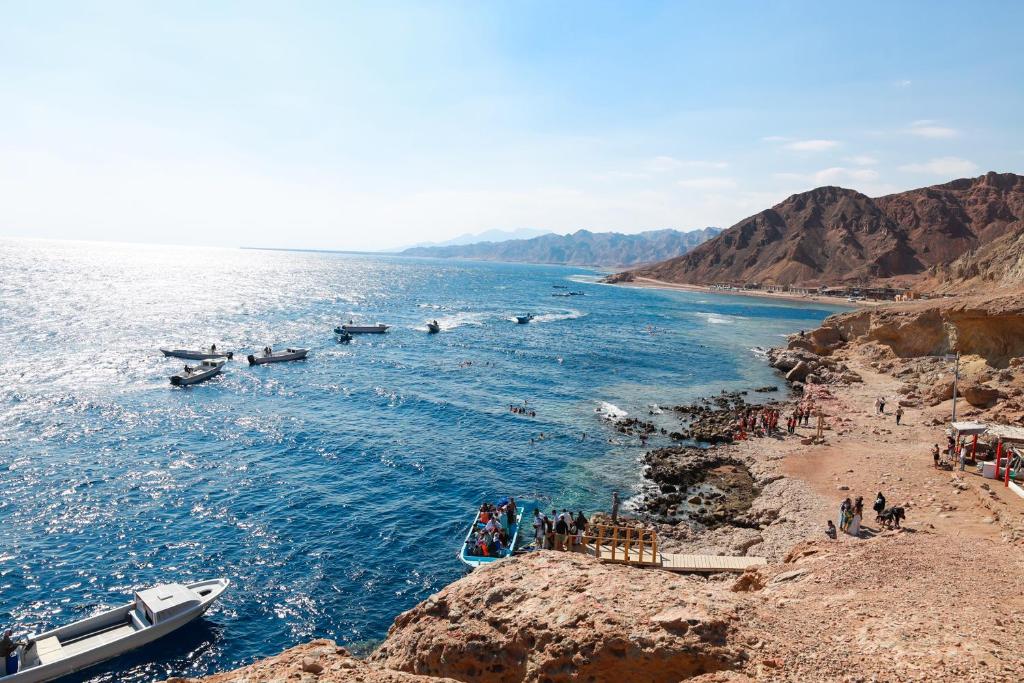
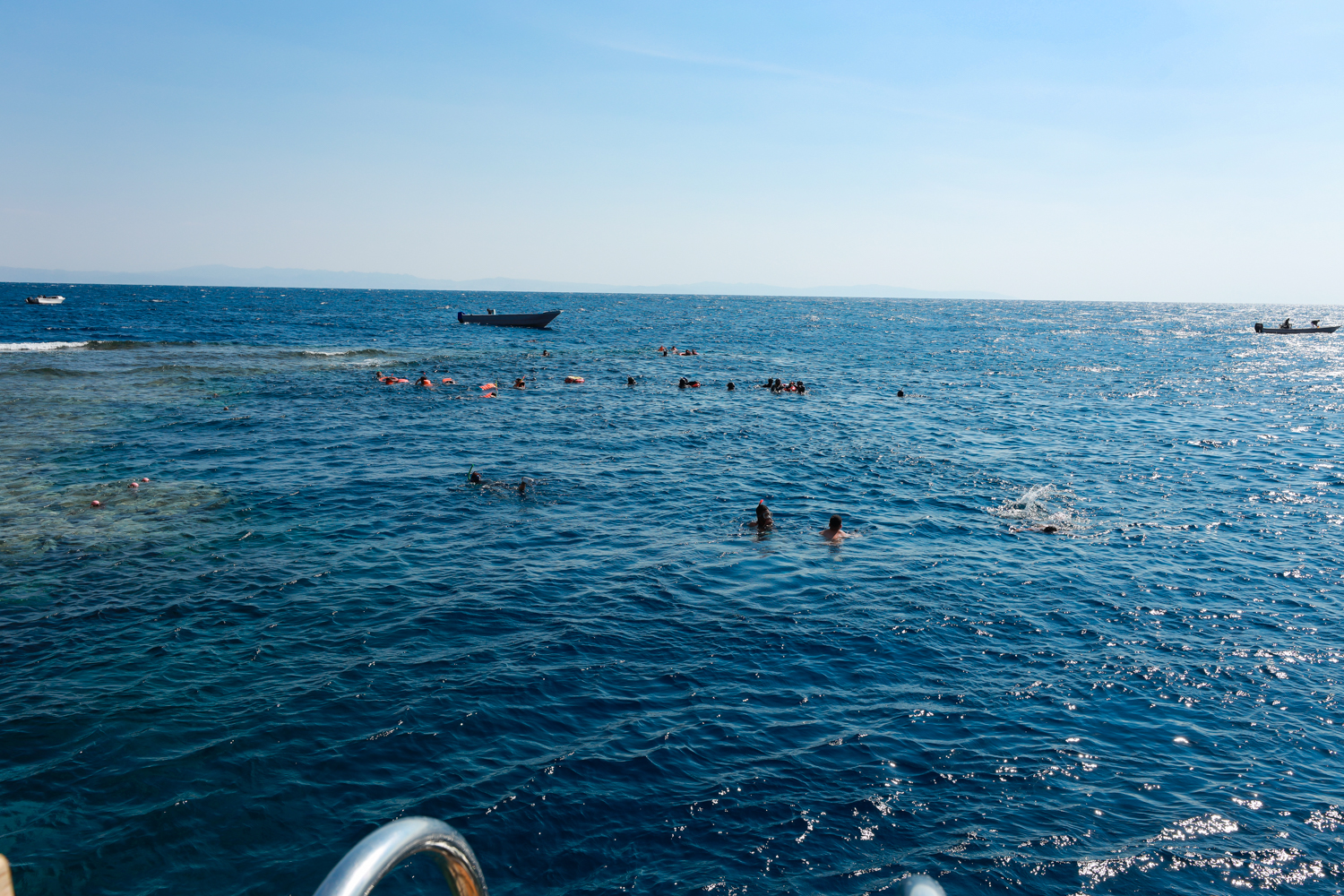
Snorkeling trips offer fantastic opportunities to explore the vibrant underwater world without the need for extensive equipment or specialized training. Here's a guide to planning a snorkeling trip:
1. Destination Research: Research destinations known for their snorkeling opportunities. Tropical locations like the Caribbean, Hawaii, the Maldives, or Southeast Asia often boast clear waters and diverse marine life. Consider factors such as water visibility, marine biodiversity, and weather conditions during your planned travel dates.
2. Choose a Suitable Time: Plan your snorkeling trip during the best time of year for your chosen destination. Consider factors such as water temperature, marine migrations, and weather patterns. Avoid peak tourist seasons if you prefer quieter snorkeling experiences.
3. Accommodation: Select accommodation options that cater to snorkelers, such as beachfront resorts or hotels with easy access to snorkeling sites. Alternatively, consider liveaboard options for multi-day snorkeling adventures in remote or pristine marine environments.
4. Snorkeling Gear: Determine whether you'll bring your own snorkeling gear or rent equipment at your destination. Essential gear includes a mask, snorkel, fins, and optionally, a wetsuit or rash guard for sun protection and warmth.
5. Transportation: Arrange transportation to your snorkeling destination, considering factors such as flight availability, airport transfers, and local transportation options. If snorkeling sites are accessible by boat, research guided snorkeling tours or boat charters.
6. Safety Precautions: Prioritize safety by familiarizing yourself with basic snorkeling techniques, water safety guidelines, and emergency procedures. Snorkel in designated swimming areas, avoid strong currents or hazardous conditions, and snorkel with a buddy whenever possible.
7. Environmental Awareness: Practice responsible snorkeling by respecting marine life and ecosystems. Avoid touching or disturbing coral reefs, refrain from feeding or chasing marine animals, and minimize your impact on fragile underwater environments.
8. Guided Tours: Consider joining guided snorkeling tours led by experienced guides who can enhance your snorkeling experience by pointing out interesting marine species, providing educational insights, and ensuring your safety.
9. Exploration and Enjoyment: Embark on snorkeling excursions to explore colorful coral reefs, swim alongside tropical fish, and observe fascinating marine creatures in their natural habitats. Take your time to immerse yourself in the underwater beauty and enjoy moments of tranquility and awe.
10. Photography and Memories: Capture memories of your snorkeling adventures through underwater photography or videography. Use waterproof cameras or smartphone cases to document your encounters with marine life and scenic underwater landscapes.
11. Relaxation and Recreation: Balance snorkeling activities with relaxation and recreation on land. Enjoy beachside lounging, indulge in local cuisine, explore cultural attractions, or participate in non-aquatic activities such as hiking, shopping, or wildlife viewing.
12. Environmental Stewardship: Support marine conservation efforts by participating in beach cleanups, supporting local conservation initiatives, and spreading awareness about the importance of protecting our oceans and marine ecosystems.
By planning carefully and embracing the wonders of the underwater world responsibly, your snorkeling trip can be an unforgettable adventure filled with exploration, discovery, and appreciation for the beauty of our oceans.